R&D
We have identified GX (Green Transformation) toward carbon neutrality and DX (Digital Transformation) for business advancement and efficiency as our highest-priority fields, and are actively driving development in these areas.

Guided by the Research Institute's mission — "Challenging advanced technologies, connecting diverse technologies, and creating innovation" —
we pursue development initiatives centered on the Research Institute in collaboration with our business divisions.
About the Research Center of Engineering Innovation
At the Research Center of Engineering Innovation, we undertake a wide range of R&D activities, from proposing concepts for new developments and verifying them through basic experiments and simulations, to conducting demonstration tests and commissioning the first full-scale unit.
In addition to our in-house proprietary development, we actively promote collaborative R&D with external organizations, including universities.


Chemical Engineering
Development of a Next-Generation Incinerator
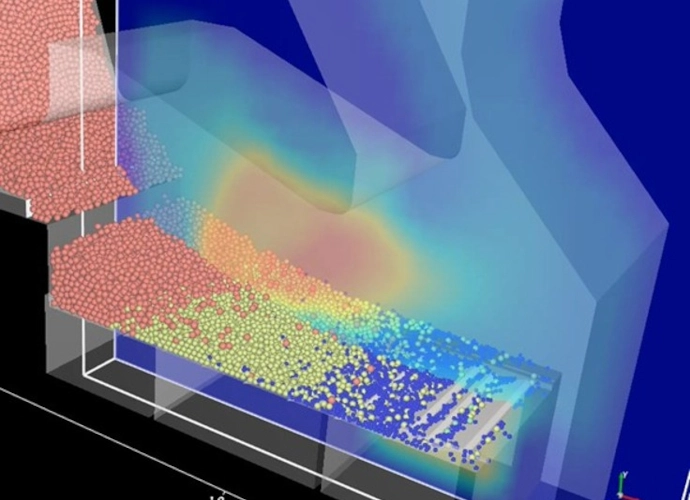
We are developing a next-generation incinerator to advance waste-to-energy technology. Leveraging the advanced combustion simulation technology we have cultivated over the years, we formulate and verify new furnace concepts, followed by performance evaluation through combustion experiments using small-scale furnaces.
We then scale up to demonstration-test level to validate performance at commercial scale, with the ultimate goal of realizing an incinerator with groundbreaking performance. By employing combustion simulation and combustion experiments as twin pillars of our approach, we are driving rapid and highly original technology development.
Data Engineering
Development of Plant Digital Twin
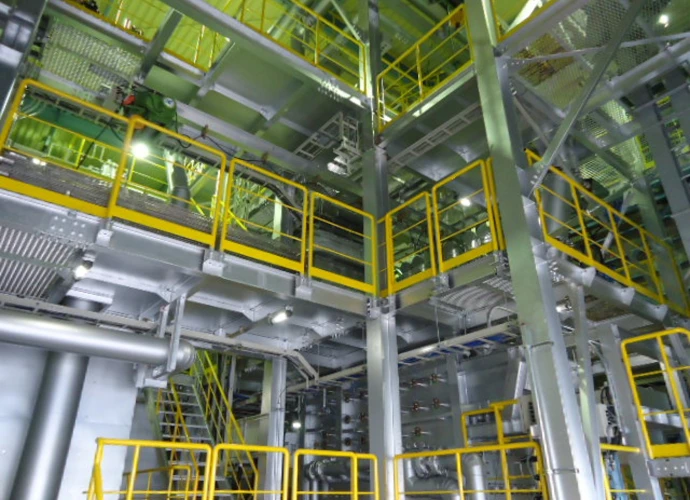
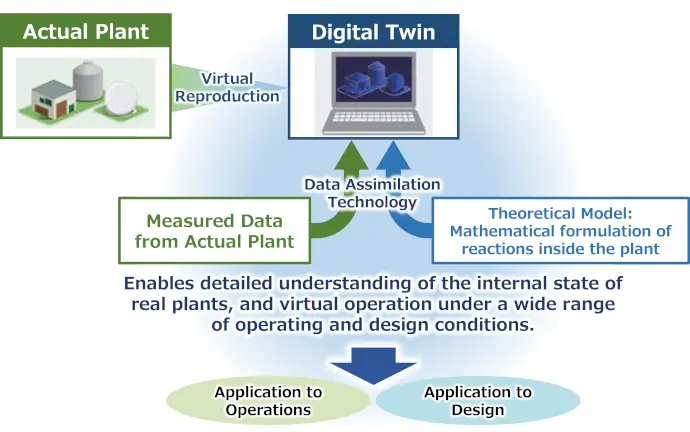
We are developing technology to digitally reproduce actual plants by applying "data assimilation" technology, which calibrates theoretical models using measured data.
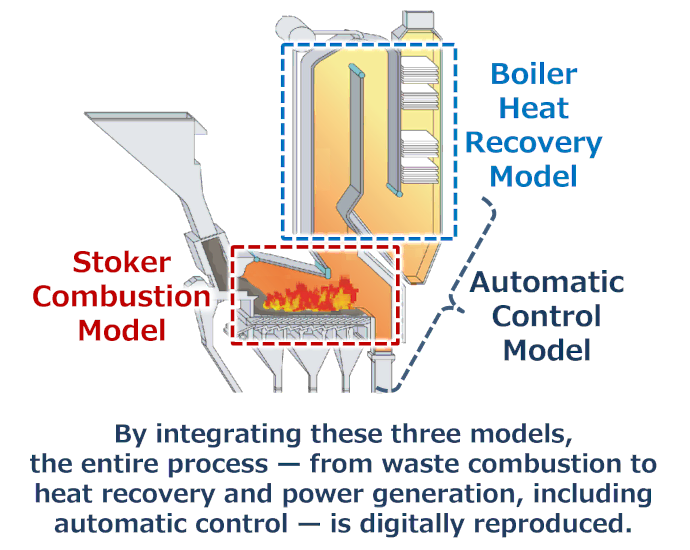
Around 2020, we turned our attention to "data assimilation" technology and became an industry pioneer in developing and applying a "digital twin" to support the operation of methane fermentation plants. Building on this, we are now constructing a "waste incinerator digital twin" that leverages our deep expertise in combustion engineering and extensive plant data. Once realized, this technology is expected to serve a wide range of applications, including operation optimization and advanced design.
Manufacturing Innovation
Advanced Welding Technology Supporting Manufacturing
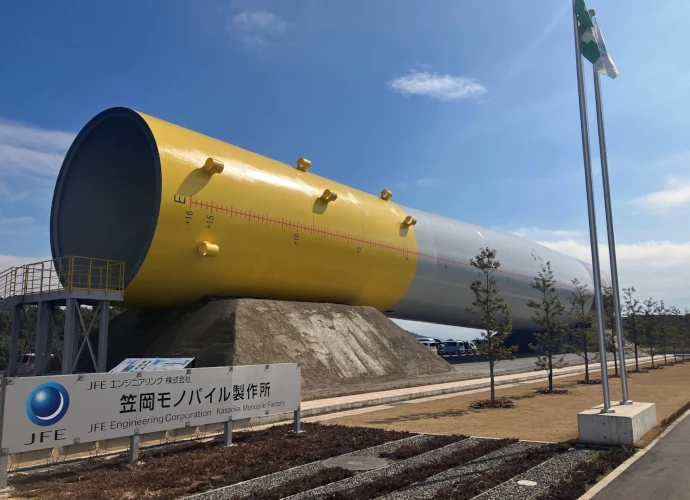
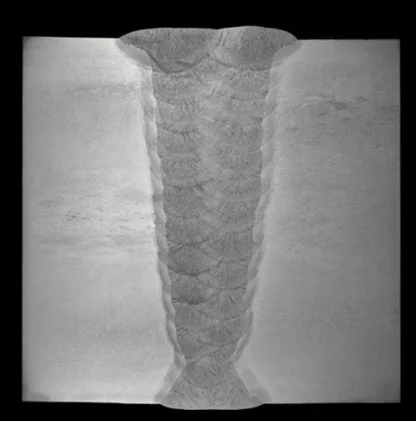
The foundation structure (monopile) for offshore wind power facilities is a massive steel structure approximately 10 m in diameter and 100 m in length, requiring a total weld length of approximately 1 km per unit. Our Research Institute has focused on developing welding technology — a key enabler in monopile manufacturing — and has established a high-efficiency welding method for ultra-thick steel plates exceeding 100 mm. We will continue to develop technologies that enhance manufacturing efficiency and support stable operations at our fabrication facilities.
Co-creation
Co-creation Activities with Institute of Science Tokyo
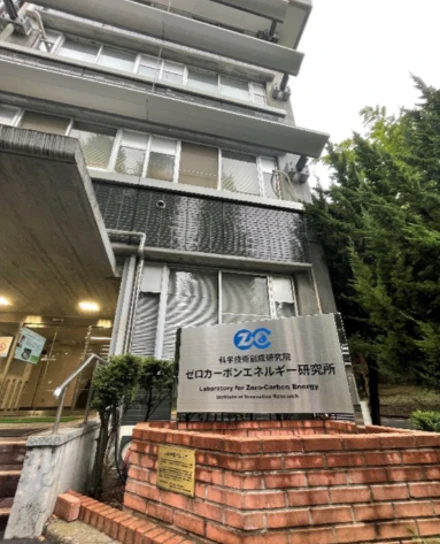
With the aim of developing and socially implementing new technologies that contribute to realizing a carbon-neutral society, we established the "JFE Engineering Carbon Neutral Collaborative Research Center" at the "Laboratory for Zero-Carbon Energy, Institute of Science Tokyo" in 2022.
Through comprehensive collaboration, that transcends the boundaries of individual joint research projects, we aim to generate breakthrough innovations via a multi-layered approach spanning a wide range of fields.
Practical-level results are already emerging, including anomaly detection technology* for offshore wind power facilities, and we will continue to build on our partnership going forward.